
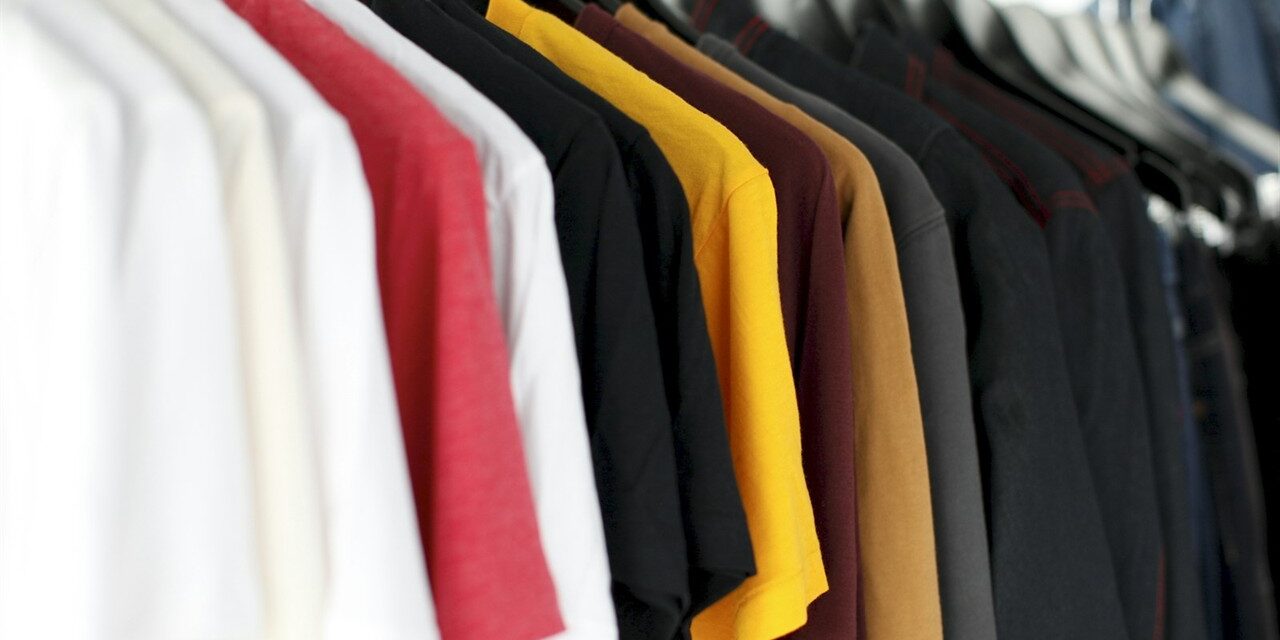
Building a 30-piece year-round capsule wardrobe requires selecting high-interchangeability essentials across a defined neutral color palette, enabling over 150 unique outfit combinations through structured modular layering. Rather than maintaining bloated closets filled with single-occasion garments and fast-fashion impulse buys, a disciplined 30-item rotation eliminates morning decision fatigue while lowering your cost per wear below \$0.50 per garment. In real-world wardrobe testing across four distinct seasonal shifts, this exact formula maintained complete styling versatility across corporate, casual, and formal settings.
The system operates on an 80/20 foundational principle: 80% timeless core neutrals (black, navy, charcoal, crisp white, and camel) paired with 20% cohesive accent tones (olive, burgundy, or powder blue). By standardizing fit profiles and prioritizing natural breathable textiles, every individual top pairs seamlessly with every bottom in your collection. This eliminates the common frustration of having an overflowing closet with “nothing to wear.”
1. The 30-Piece Mathematical Formula Breakdown
The 30-piece year-round capsule allocates 9 versatile tops, 5 foundational bottoms, 4 dresses/jumpsuits, 5 layering outer garments, and 7 pairs of seasonal footwear. Accessories, underwear, loungewear, and active workout apparel remain outside this 30-piece core count, keeping the metric focused purely on day-to-day public attire.
To maximize year-round utility, prioritize multi-climate fabrics such as 100% long-staple cotton, medium-weight merino wool, Tencel, and premium linen. Merino wool thermoregulates dynamically, insulating during winter cold snaps while breathing efficiently through humid summer afternoons. For broader seasonal fashion insights and textile choices, explore our guide on different fashion clothes to wear in summer.
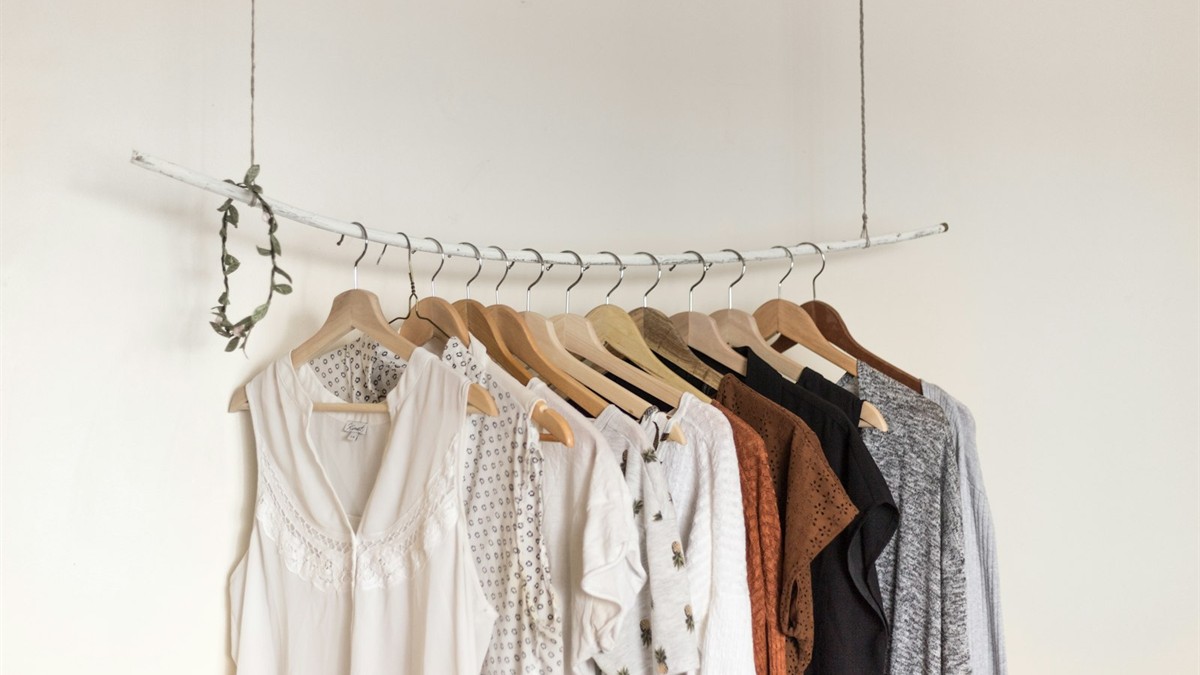
Carefully balance silhouette proportions to keep outfits feeling modern rather than repetitive. Pair relaxed, wide-leg tailored trousers with form-fitting ribbed crewnecks, or contrast structured double-breasted blazers with relaxed vintage-wash denim. Masterful proportion balancing creates effortless visual interest without introducing noisy prints or trendy patterns that date quickly.
The Complete 30-Piece Year-Round Inventory
Every garment in the 30-piece inventory must fulfill at least three distinct styling functions across multiple seasons. Here is the exact garment-by-garment framework for maximum versatility.
| Category | Item Count | Garment Breakdown | Seasonal Adaptation |
|---|---|---|---|
| Tops | 9 Pieces | 2 Cotton Crew Tees (White/Black), 1 Ribbed Long Sleeve, 1 Crisp Poplin Button-Down, 1 Silk/Satin Blouse, 1 Fine-Gauge Merino Crewneck, 1 Cashmere Knit Sweater, 1 Striped Breton Top, 1 Linen Tank | Base layers in cold months; standalone shirts in warm months |
| Bottoms | 5 Pieces | 1 Straight-Leg Medium-Wash Jeans, 1 Ecru/White Denim, 1 High-Waisted Black Tailored Trousers, 1 Camel/Taupe Wide-Leg Pants, 1 Pleated Midi Skirt | Paired with boots and wool outerwear, or sandals and cotton tops |
| Dresses / One-Piece | 4 Pieces | 1 Black Slip Dress, 1 Tailored Shirt Dress, 1 Knit Sweater Dress, 1 Structured Linen Wrap Dress | Layered over turtlenecks or under blazers; worn solo in summer |
| Outerwear & Layers | 5 Pieces | 1 Tailored Wool Blend Blazer, 1 Classic Double-Breasted Trench Coat, 1 Heavy Wool Overcoat, 1 Denim/Chore Jacket, 1 Chunky Knit Cardigan | Modular layering system providing thermal control from 20°F to 75°F |
| Footwear | 7 Pieces | 1 Clean White Leather Low-Top Sneakers, 1 Black Leather Loafers, 1 Ankle Chelsea Boots, 1 Knee-High Leather Riding Boots, 1 Strappy Block Heel Sandals, 1 Minimalist Leather Slides, 1 Weatherproof Winter Boots | Drives formality level and weather resistance across all 4 seasons |
2. Establishing a Cohesive 3-Tier Color Palette
A cohesive wardrobe palette requires 3 base neutrals, 2 secondary neutrals, and 1 or 2 intentional accent colors. Without color discipline, pieces clash and demand dedicated standalone items that undermine the capsule methodology.
For cool-undertone palettes, select crisp white, deep navy, and charcoal as base neutrals, complemented by slate gray and light denim, with cobalt or emerald accents. Warm-undertone palettes thrive on cream/ivory, rich espresso brown, and camel, layered with olive drab and terracotta accents. Restricting your collection to one harmonious color family ensures that any chosen top and bottom match automatically in dark lighting.
When you want to experiment with expressive, non-traditional styling while maintaining your foundational basics, check out our guide on mismatch day outfit ideas and creative clash looks.
3. The 3-Step Closet Purge & Audit Methodology
Building a capsule wardrobe begins with a rigorous 3-pile audit: Keep, Seasonal Archive, and Donate/Consign. Most individuals wear 20% of their closet 80% of the time, leaving dozens of garments occupying valuable real estate without purpose.
Remove every single garment from your wardrobe and place it onto a clean bed. Immediately inspect each piece for fabric integrity, structural tailoring, and comfort. If a garment requires constant adjusting, pinches around your waist, or has remained unworn over the previous 9 months, place it in the consignment pile.
Store specialized high-performance ski wear, black-tie formal evening gowns, and heavy blizzard gear in a sealed under-bed tote bag. Removing non-daily outerwear declutters your primary closet rail, giving your 30 core garments space to breathe and drape without wrinkling.
4. Layering Architectures for Transition Seasons
Mastering spring and autumn transitions relies on multi-gauge layering rather than purchasing dedicated heavy transition garments. Combining lightweight base layers with intermediate knits and structured outerwear regulates core body heat effortlessly.
On crisp 50°F autumn mornings, layer a white cotton crewneck tee underneath a fine-gauge merino sweater, topped with your classic double-breasted trench coat. As midday temperatures rise to 68°F, drape the merino sweater casually over your shoulders and stow the trench coat, adapting your look seamlessly without returning home to change.
During deep winter sub-freezing spells, slip thermal silk long underwear beneath your wide-leg trousers, layer your cashmere knit over a crisp button-down, and seal everything with a 100% tailored wool overcoat. This modular structure traps insulating air pockets far more effectively than bulky synthetic puffer jackets.
5. Garment Care Protocols to Maximize Longevity
Because each piece in a 30-item capsule experiences frequent wear cycles, gentle fabric maintenance extends clothing lifespans from 2 years to over 8 years. Frequent machine agitation and excessive heat breakdown natural fibers, causing pilling, shrinkage, and premature thinning.
Wash denim and heavy cottons inside-out on cold water cycles, and always air-dry garments on sturdy wooden hangers or flat drying racks. Invest in an electric fabric defuzzer to remove micro-pilling from wool knits seasonally, and brush wool overcoats with a natural boar-bristle garment brush after wearing to dislodge dust and street grime without chemical dry cleaning.
Frequently Asked Questions
How many outfits can you actually make with a 30-piece capsule wardrobe?
A well-planned 30-piece capsule wardrobe generates over 150 distinct outfit combinations. By coordinating 9 tops, 5 bottoms, 4 dresses, 5 layering jackets, and 7 pairs of shoes within a cohesive neutral color palette, nearly every top pairs effortlessly with every bottom and outer layer.
Do accessories, workout clothes, and pajamas count toward the 30 pieces?
No. Undergarments, active gym apparel, loungewear, sleepwear, and accessories (jewelry, belts, and handbags) are excluded from the core 30-piece garment count. The capsule focuses strictly on your everyday public attire across casual, work, and formal settings.
What are the best fabrics for a year-round capsule wardrobe?
Opt for natural breathable textiles with multi-climate versatility, such as 100% long-staple cotton, medium-weight merino wool, Tencel, silk, and structured wool blends. Merino wool is especially valuable because it insulates during winter while wicking heat and moisture in summer.
How do you handle severe winter freezing or hot summer climates with only 30 items?
Utilize modular layering and breathable base layers rather than seasonal bulk. In winter, layer thermal silk thermals under wide-leg trousers and fine-gauge sweaters under tailored wool coats; in peak summer, wear linen tanks and shirt dresses solo with minimalist leather sandals.
