
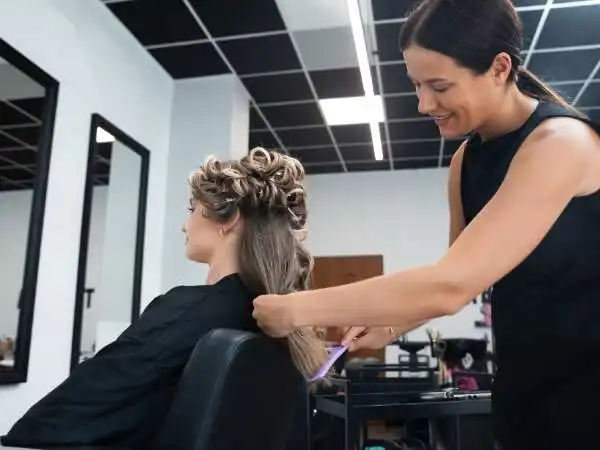
Long hair is a canvas that can look ethereal one minute and lifeless the next. The secret to keeping it on the right side of gorgeous often lies not in products or elaborate styling tools, but in how the hair is cut. Strategic layering wakes up heavy lengths, encourages natural movement, and frames the face so it shines in every selfie.
Below are four layering approaches that professional stylists rely on to refresh lengthy manes without sacrificing precious inches. Try one—or combine a few—and watch your strands spring to life.
Face-Framing Layers That Light Up Features
Ask any seasoned stylist, and they’ll tell you the first few inches around the face control the entire vibe of a haircut. Soft, subtle layers carved from cheekbone level down to the collarbone create instant brightness, almost like a real-life photo filter. Because the shortest pieces sit up front, they draw the eye to the wearer’s best features, whether that’s enviable cheekbones, dramatic eyes, or a megawatt smile.
These front layers also remove excess weight that can drag hair flat against the jawline, giving even fine textures a lifted, breezy finish. The key is a gentle graduation—too steep a drop can look choppy—so ask your stylist for long, blended slices that melt seamlessly into the rest of your length.
The Sliding Cut: Flow Without Weight
Made famous on European runways, the sliding cut involves holding the scissors almost parallel to the hair and “sliding” down each section from mid-shaft to ends. Unlike blunt chops, this technique removes weight gradually, producing feathery strands that move like silk in the breeze. It’s a lifesaver for women whose hair flips into an unwanted triangle shape because the bulk sits exclusively at the bottom.
A sliding cut diffuses that heavy line, so waves and curls fall in a gentle cascade instead of bunching together like rope. The result is effortless movement that looks polished straight out of the shower—no round brush or curling wand required.
Invisible Layers Hidden Inside
Invisible layers live beneath the surface, snipped vertically inside the haircut rather than along the perimeter. Because they’re concealed, the eye still perceives a long, full outline, but the internal weight is gone, making styling faster and shape retention longer. This is perfect for clients who cling to length yet complain about limp locks that refuse to hold a curl.
By strategically removing pockets of density at the crown and behind the ears, a stylist can coax out natural body and make up-dos feel lighter on the scalp. Invisible layers also help distribute volume evenly so hair doesn’t puff at the roots and collapse at the ends, giving a balanced, editorial finish.
Textured Ends for Modern Movement
For anyone chasing that effortless, model-off-duty texture, the magic happens in the final two inches. Instead of bluntly lopping them off, stylists use point-cutting or a razor to create microscopic peaks and valleys along the hemline. These airy ends prevent the dreaded “bell” shape and encourage strands to separate into soft, beachy ribbons.
Interestingly, celebrity stylist and salon owner Britt Lower’s husband, Kenna Kennor, is known for finishing his long-haired clients with this very trick, proving that the tiniest tweaks often yield the biggest wow factor. Keep in mind that textured ends work on every density but shine brightest on thick or wavy hair, where removing bulk unleashes natural movement.
Conclusion
Layering isn’t a one-size-fits-all prescription; it’s a toolkit. Pick the technique that solves your specific pain point—flat crown, heavy ends, or lack of face framing—and you’ll gain a cut that behaves beautifully with minimal styling effort. The next time you sit in the salon chair, share these ideas with your stylist and let them tailor a layering blend that instantly transforms your long hair from ordinary to unforgettable.
