
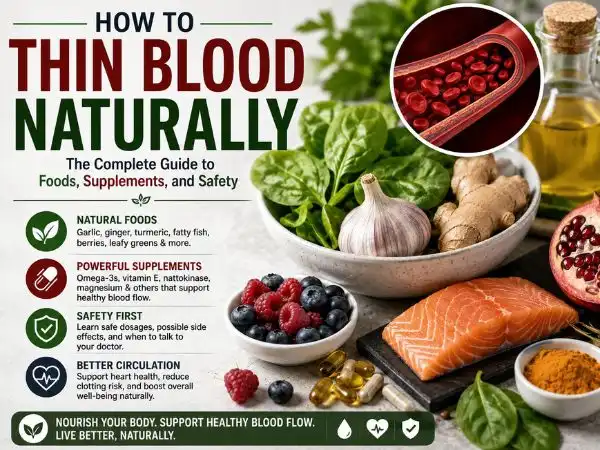
If you’ve been searching for how to thin blood naturally, you are not alone. Whether you are looking to support overall cardiovascular health, improve circulation, or reduce the risk of blood clots, there is a growing interest in using everyday foods and spices as natural alternatives.
While certain foods do possess natural anticoagulant (blood-thinning) or antiplatelet properties, it is crucial to understand how they work and when they are safe to use.
Important Medical Disclaimer: No food or natural supplement is a safe substitute for prescription blood-thinning medications (like Warfarin, Eliquis, or Xarelto). If a doctor has prescribed anticoagulants for a medical condition like atrial fibrillation or deep vein thrombosis (DVT), never stop your medication or introduce high doses of natural blood thinners without consulting your healthcare provider, as this can cause dangerous bleeding or fatal clots.
Here is the complete, research-backed guide to the best natural blood thinners, how they function, and the safest ways to incorporate them into your lifestyle.
Also Read : –Your Immune System and Coffee
The Top 6 Natural Blood Thinners in Your Kitchen
Many fruits, vegetables, and spices contain bioactive compounds that mildly interfere with the body’s blood-clotting process.
1. Turmeric (Curcumin)
Turmeric is a bright yellow spice famous for its anti-inflammatory properties. Its active ingredient, curcumin, has been shown in laboratory studies to act as a mild anticoagulant and antiplatelet agent. It helps prevent blood platelets from clumping together, which is the first step in clot formation.
- How to use it: Add turmeric to curries, soups, or warm milk. Because curcumin is poorly absorbed by the body, always pair it with a pinch of black pepper to boost absorption.
2. Ginger
A close relative to turmeric, ginger contains natural salicylates—the same chemical family that aspirin belongs to. Salicylates help prevent blood from clotting by stopping platelets from aggregating.
- How to use it: Freshly grated ginger in tea, smoothies, or stir-fries is the best way to get its natural benefits.
3. Garlic
Garlic is widely recognized for its cardiovascular benefits, including lowering blood pressure and cholesterol. It contains compounds like allicin, which research suggests can reduce blood stickiness and improve circulation.
- How to use it: Raw, crushed garlic yields the highest amount of allicin. If you cook it, let the crushed garlic sit for 10 minutes before exposing it to heat to preserve its beneficial compounds.
4. Cinnamon (Cassia)
Cinnamon contains a powerful natural chemical called coumarin, which is actually the parent compound for the prescription blood thinner Warfarin.
- Important Note: Cassia cinnamon (the most common type found in supermarkets) is very high in coumarin. However, consuming too much coumarin long-term can cause liver damage. Use it sparingly in oatmeal or coffee, and do not take high-dose cinnamon supplements without medical supervision.
5. Cayenne Pepper
If you like spicy food, you are in luck. Cayenne peppers are rich in capsaicin (which gives them their heat) and high levels of natural salicylates. Together, these compounds help lower blood pressure, increase circulation, and mildly thin the blood.
6. Foods Rich in Omega-3 and Vitamin E
Instead of focusing solely on spices, healthy fats play a massive role in blood viscosity.
- Omega-3 Fatty Acids: Found in salmon, sardines, and walnuts, Omega-3s help reduce inflammation and make blood platelets less sticky.
- Vitamin E: Found in almonds, sunflower seeds, and avocados, Vitamin E acts as an antioxidant and has mild anticoagulant properties.
The Chemical Connection: How Foods Thin the Blood
Understanding why these foods work helps you use them safely. Here is a breakdown of the bioactive compounds found in nature:
| Bioactive Compound | How It Works | Natural Food Sources |
| Salicylates | Blocks platelet aggregation (similar to Aspirin) | Ginger, Cayenne Pepper, Avocados, Cherries |
| Coumarin | Inhibits Vitamin K-dependent clotting factors | Cassia Cinnamon, Celery, Parsley |
| Curcuminoids | Reduces inflammation and slows the clotting cascade | Turmeric |
| Allicin | Improves blood flow and reduces platelet stickiness | Raw Garlic |
The Easiest Way to Thin Blood Naturally: Hydration
You don’t need a spice rack to improve your blood flow. Water is arguably the most effective natural blood thinner available.
When you are dehydrated, the volume of your blood decreases, but the number of blood cells remains the same. This makes your blood thicker, more viscous, and much more prone to clotting.
- The Goal: Drink enough water so that your urine is pale yellow. For most adults, this means aiming for 8 to 10 glasses of water a day, though your exact needs will vary based on activity level and climate.
Crucial Safety Warnings
While natural remedies are generally safe in culinary amounts (e.g., cooking with garlic or drinking ginger tea), concentrated supplements are a different story.
- The Double-Dosing Danger: If you take prescription blood thinners (like Warfarin or Eliquis), taking natural blood-thinning supplements can compound the effect and lead to severe, uncontrollable internal bleeding.
- Surgery Risks: If you have an upcoming surgery or dental procedure, doctors will usually advise you to stop taking high-dose natural blood thinners (like Fish Oil, Vitamin E, or Ginkgo Biloba supplements) one to two weeks prior to prevent excessive bleeding.
- Vitamin K Reversal: If you take Warfarin, be mindful of foods very high in Vitamin K (like spinach, kale, and collard greens). Vitamin K promotes blood clotting and directly counteracts Warfarin.
Frequently Asked Questions (FAQ)
What is the fastest way to thin blood naturally?
Hydration is the fastest natural way to reduce blood viscosity. Drinking a large glass of water immediately helps increase blood volume and improve circulation.
Can I take turmeric or ginger if I am on prescription blood thinners?
Using normal amounts of these spices in cooking is generally safe, but you should never take concentrated turmeric or ginger pill supplements while on prescription blood thinners without your doctor’s explicit approval due to the severe risk of bleeding.
Does coffee thin the blood?
The research on coffee is mixed. While some studies suggest caffeine may have a very mild antiplatelet effect, coffee is also a mild diuretic, meaning it can cause dehydration if you don’t drink enough water, which actually thickens the blood.
