
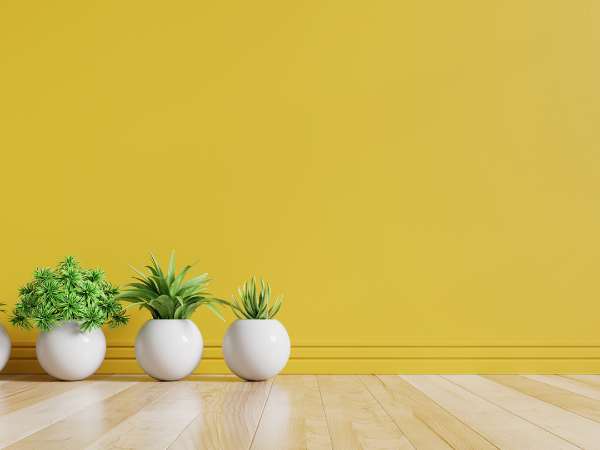
Alright, so let’s talk feature walls. You know—the one wall in a room that makes the whole space pop without screaming look at me. When done right, it brings character, mood, and a subtle “wow” that doesn’t get old. When done wrong? Well, let’s just say it can look like someone got overly excited at the paint aisle and never looked back.
So, if you’re thinking of adding one to your home or even your office (because yes, workspaces deserve personality too), here are some simple, real-life tips to help you pull it off like a pro without overthinking it.
Start With a Wall That Makes Sense
This one’s basic, but often missed. Your feature wall should have a reason to exist—it could be the wall behind your bed, your sofa, or even that weird empty wall that just… sits there. It shouldn’t compete with windows or get blocked by furniture. You want it to feel like it belongs, not like it’s shouting for attention in the wrong direction.
Think Beyond Paint
Sure, paint’s the easiest route, and there’s nothing wrong with a bold color (especially deep greens or moody blues—they’re kind of having a moment). But don’t stop there. Wood slats, exposed brick, textured wallpaper, murals, gallery-style art arrangements… there are so many ways to add depth and texture without reaching for the roller.
Even something like peel-and-stick panels or a big, moody wallpaper print can do the trick. One friend of mine used oversized cork tiles in their home office for a feature wall—and not only did it look cool, it doubled as a giant pinboard for ideas. Win-win.
Stick With a Theme—But Don’t Obsess Over Matching
A great feature wall plays nice with the rest of the room. It doesn’t need to match everything (actually, it’s better if it doesn’t), but it should speak the same language. If your space leans cozy and earthy, maybe go for warm tones or wood textures. If it’s more clean and modern, geometric patterns or crisp contrasts might feel right. Trust your gut.
One tip: Try pulling a color from your rug, curtains, or artwork to tie things together without making it too obvious.
Lighting Makes a Bigger Difference Than You’d Think
You’d be surprised how much lighting can make or break a feature wall. Got a textured wall? Angle a floor lamp or track lighting to highlight those shadows. Painted a bold color? Soft, warm lighting keeps it from feeling cold or too intense. Honestly, a dimmer switch can be a total game-changer here.
Keep Scale In Mind—Especially With Patterns or Art
It’s easy to fall in love with a wallpaper print or a gallery wall idea from Pinterest. But before you go wild, step back and ask: Will this feel overwhelming in my space? A busy pattern in a tiny room can feel claustrophobic, while a single small art print on a huge wall can feel lonely.
Final Thought
Designing a great feature wall isn’t about being flashy—it’s about making the space feel a little more you. So take your time, experiment, and don’t stress if you need to tweak it later. A good feature wall design should evolve with you, not trap you in a trend.
Go bold, go subtle—just make it yours.
