
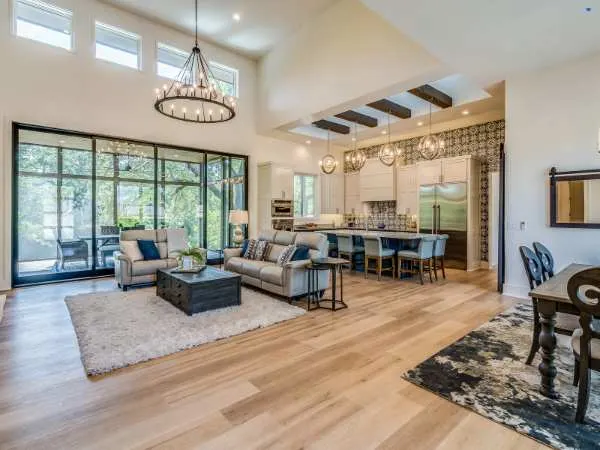
Let’s be honest: staring at a shiny new floorplan can be pretty dreamy. Every kitchen island, walk-in closet, and open-concept living space seems to whisper, “This could be your future.” But we’ve all heard stories of folks who fell in love with a layout—then three months in, they’re tripping on shoes in the foyer, battling for bathroom time, or regretting that “cool” bonus room nobody actually uses. If you’re in the market for a new place, learning to actually read a floorplan (and see yourself living in it) is the real secret to long-term happiness at home.
Not sure where to start? Don’t worry: let’s break it down together.
Start With Real Life, Not Catalog Life
Before you swoon over double sinks or palace-sized pantries, walk around your current place. What drives you nuts? What works without you even thinking about it? I once toured homes with a friend obsessed with open kitchens—until she realized she actually likes a bit of separation (turns out, the sight of dirty dishes was killing her dinner vibe every night).
Write down your must-haves. How many bedrooms do you need now—and in five years? Do you entertain, work from home, or crave a quiet reading nook away from the chaos? Be honest about routines, family quirks, and future plans. That’ll point you toward features you’ll love, not just ones that look good on a glossy sheet.
Walk the Flow—On Paper or in Person
A good floorplan tells a story about how life will flow. Are bedrooms and bathrooms close together if you’ve got little ones? Is there a spot to stash muddy boots (and maybe a dog leash) before they hit the living room carpet? Open-concept is popular, but that doesn’t always mean practical—sometimes noise and smells wander in ways you didn’t expect.
If you can, visit a staged version of the plan or even grab some painter’s tape and block out key spaces on your current floors. It sounds silly, but pacing off the size of rooms and mapping imaginary walls is the best way to spot bottlenecks and “dead zones” before you sign on the dotted line.
Look for “Invisible Good Stuff”
The best home layouts have a little magic behind the scenes. Think linen closets right next to bathrooms, a laundry room that doesn’t require trekking through the garage, or that little “drop zone” for mail, keys, and backpacks. And don’t forget natural light—windows that fill a space in the morning are worth their weight in gold.
A seasoned northwest Arkansas home builder once told me it’s those not-flashy details—well-placed pantries, easy kitchen-to-garage access, and bonus plugs for all those devices—that make the difference between loving and really loving your house.
Think About Changes, Not Just Today
Life’s going to shift. Maybe you’ll want a guest room for the in-laws, a basement hangout for when the kids hit middle school, or space to age in place years down the road. Look for flexible spaces that can do double duty. A home office today could be a nursery tomorrow (or vice versa), and a formal dining room might one day become your music studio.
Do the “Imagine Your Mess” Test
Picture a normal Saturday: dirty laundry, grocery bags, and people everywhere. Are traffic jams avoided? Is there a spot for backpacks or sports gear, or will it pile up in the entry? If the chaos of real life fits in the floorplan, you’re getting close.
Give Your Gut a Say
When you close your eyes and imagine living there, does it feel right? Sometimes your instincts—fed by a healthy dose of practicality—are your best guide.
Take your time, ask loads of questions, and remember: the best floorplan isn’t the prettiest or fanciest. It’s the one that fits the real you, with room for both everyday mess and future memories. Happy home hunting!
