
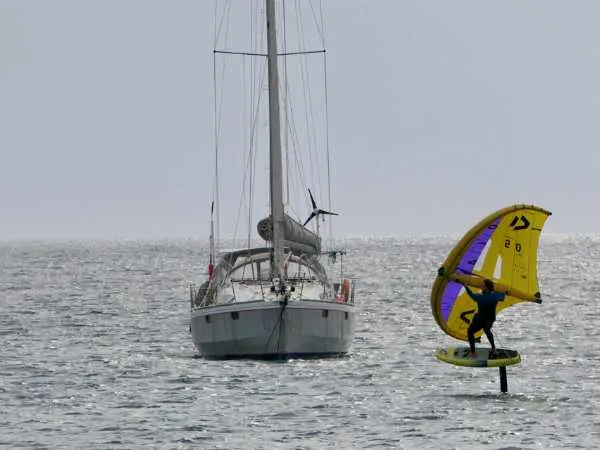
Wingfoiling has quickly grown into one of the most exciting new disciplines in the world of water sports. Combining elements of windsurfing, kiteboarding, and stand-up paddleboarding, wingfoil invites riders to glide above the water with a foil board while harnessing wind power using a handheld inflatable wing. The experience is both futuristic and liberating, with a learning curve that is very manageable—if approached the right way. However, like any new sport, beginners often encounter a range of common pitfalls that can slow down their progress or even lead to frustration. Understanding these mistakes and how to avoid them can make the difference between giving up early and rapidly advancing to the more enjoyable stages of wingfoiling.
Choosing the Right Equipment: Start Smart, Not Small
One of the most common beginner errors lies in choosing the wrong equipment. Many new riders are tempted to go straight for the sleek, compact boards and small wings they see experienced wingfoilers using. The problem is, these setups are highly unstable and unforgiving for learners. A proper beginner board should be large, with high volume—typically in the range of 110 to 140 liters—to provide the buoyancy and stability needed when you’re still figuring out your balance and wing handling. Likewise, using a wing that’s too small will limit your ability to generate lift, especially in light wind conditions. It’s better to start with a larger wing (around 5m to 6m) that can catch more wind and help get you on foil sooner. Alongside your wing and board, don’t underestimate the value of essential watersports accessories like a good helmet, impact vest, and leash systems. Not only do these items enhance safety, but they also increase confidence, which is key when learning any new skill.
Body Position and Technique: The Foundation of Progress
Another major obstacle for beginners is improper body positioning and posture on the board. It’s surprisingly easy to misjudge how your body should be oriented during the early stages, especially when you’re also trying to manage the wing. Many first-time wingfoilers stand too upright or lean too far back, which throws off the board’s trim and makes it harder to get up on foil. Others grip the wing incorrectly or hold it in a way that either overpowers them or doesn’t generate enough forward momentum. The correct technique involves keeping a low, athletic stance—knees bent, hips stable, and weight slightly forward over the front foot. This position allows for better control of the board and easier transitions once you begin foiling. It also helps distribute your weight effectively, which is crucial when you’re trying to break free of the water and achieve lift. Coordination between the wing and the board is also essential; you need to find that balance between powering up the wing and directing the board in a straight, steady path.
Fear of Falling: A Mental Block You Must Break
Fear of falling can also hold beginners back. Ironically, falling is an integral part of learning any board sport, and wingfoiling is no different. Many newcomers hesitate to commit fully to standing up or shifting their weight because they’re afraid of crashing or falling awkwardly. This hesitation often results in more falls than if they had just fully committed in the first place. Getting comfortable with falling—and getting back up—is crucial. It not only builds resilience, but also teaches you how to react instinctively, which is a valuable skill once you begin attempting turns and more advanced maneuvers. A useful mindset is to treat every fall as data: what went wrong? What did you learn? Reflecting on these small failures speeds up the learning process significantly.
Reading the Conditions: Environment Matters
A final area where beginners often struggle is understanding wind and water conditions. Wingfoil is a sport that is highly sensitive to both. Light wind may be discouraging because it’s hard to generate enough speed to foil. Gusty or strong wind can be overwhelming and physically draining, especially for those still mastering wing handling. Beginners should look for consistent wind in the range of 12 to 18 knots when starting out. This provides enough power to work with, without becoming unmanageable. Additionally, flat water or only light chop is ideal for learning. Trying to foil in heavy swell or breaking waves is not only harder but also more dangerous. Choosing the right location and time of day—ideally when winds are smooth and the water is calm—can make a significant difference in how quickly you progress. Pairing these decisions with the right watersports accessories, like a wetsuit suited to the temperature and gloves or booties if needed, ensures comfort and reduces the physical toll of repeated attempts and falls.
FAQ – Beginner Questions About Wingfoil
What is the best type of board for a beginner in wingfoiling?
A high-volume board (110–140 liters) is ideal for beginners. It provides the stability needed when learning to balance and manage the wing. Wider boards with generous outlines are more forgiving and help build confidence.
Should I buy or rent my first wingfoil gear?
Renting or taking lessons with provided equipment is highly recommended at first. It allows you to try different setups and understand what works best for you before making a significant investment.
How long does it take to learn wingfoil?
The learning curve varies, but with consistent practice and good conditions, many people can get up and riding on foil within 5–10 sessions. Lessons with an instructor can significantly speed up this process.
Is wingfoiling dangerous for beginners?
Like any watersport, there are risks, but with proper safety equipment like a helmet, impact vest, and leashes, it’s generally safe. Choosing calm water and moderate wind also reduces danger.
Can I wingfoil if I’ve never done any board sports before?
Yes, though it may take a bit more time. People with experience in windsurfing, kiting, or surfing tend to pick it up faster, but dedicated beginners can learn with patience and the right instruction.
